
Rosés
Loire rosé wines: freshness and variety
Fresh, fruity and elegant, Loire rosé wines express all the diversity of the Loire Valley vineyards.
From the Atlantic coast to Touraine, Loire rosés embody a lively and accessible style: dry or soft wines, sometimes sparkling, which accompany simple moments as well as moments of haute cuisine.
Their range of colours, from very pale pink to deeper shades, reflects the diversity of grape varieties, terroirs and winemaking methods specific to the Loire vineyards.
How is rosé wine made?
Ah, rosé wine... That delicious blend of lightness and freshness, sipped both as an aperitif and on a terrace in the summer sunshine. But that's not all! Rosés are the perfect allies to enhance our meals all year round. But how do you get that pretty pink color? The answer lies in the winemaking process!
Two main techniques bring out rosé's subtle nuances.
First, direct pressing: a gentle method where grapes are pressed quickly to extract barely tinted juice, producing a clear, delicate rosé. The second option, saignée, involves letting the grapes macerate for a short period, capturing more color and aromatic richness. The result is a rosé with more intense aromas and a deeper color.
Between red and white wine: the art of balance
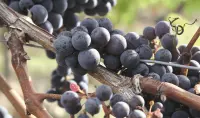
A rosé wine is not a blend of wines, but a style in its own right. Its unique color is born of a short maceration of black grapes, just long enough to tint the juice and reveal delicate red fruit aromas.
In the Loire Valley, 2 major styles of rosé wine coexist: dry rosés and tender rosés.
The "Rosé de Loire"
The Rosé de Loire PDO, produced in Anjou-Saumur and Touraine, is recognized by its dry, frank and thirst-quenching profile.
The Rosé d'Anjou, meanwhile, offers a fruitier version of the Rosé de Loire, while the Cabernet d'Anjou seduces with its gourmet, harlequin candy, strawberry and redcurrant aromas.
Finally, sparkling rosés, like Crémant de Loire, bring a lively, more festive freshness.
The Loire vineyards, a know-how rooted in nature
The winegrowers of the Loire perpetuate a committed and demanding work.
Today, more than 85% of Loire vineyards are part of an environmental or organic certification process, reflecting the desire for sustainable and responsible viticulture.
Varieties and terroirs of Loire rosé
A palette of Loire grape varieties
The diversity of Loire rosés is born from a mosaic of emblematic grape varieties:
Cabernet Franc and Cabernet Sauvignon, for rosé wines full of structure and color,
Grolleau, for suppleness and freshness,
Gamay and Pineau d'Aunis, for roundness and fruity, spicy aromas.
These grape varieties, typical of the Loire, reflect the richness of the Loire and its natural balance between power and lightness.
Varied, expressive terroirs
From the mildness of Anjou to the more continental slopes and relief of Touraine, rosés are born and develop on a wide variety of soils: schist, tuffeau, flinty clay or sand.
This combination of climates and terroirs shapes beautifully fresh rosé wines, with profiles that are always precise and balanced.
Rosé appellations and styles in the Loire region
Rosé de Loire PDO
A dry, bright wine, Rosé de Loire PDO is made in the vineyards of Anjou-Saumur and Touraine. It is based on blends dominated by Cabernet Franc, often complemented by Grolleau or Gamay, depending on the terroir. Its light color, natural freshness and lively aroma reflect the Loire Valley style par excellence. Balanced and expressive, it is distinguished by a clean, thirst-quenching palate, making it as much an aperitif rosé as a table wine, capable of accompanying a wide variety of dishes.
Rosé d'Anjou PDO
The emblematic rosé of Anjou, Rosé d'Anjou PDO is characterized by a soft, supple and resolutely fruity style. The Grolleau Noir grape plays a central role, bringing roundness, deliciousness and aromas of fresh red fruits. This rosé stands out for its balance between freshness and softness, without excess, offering an accessible, harmonious palate. It embodies a generous expression of Loire rosés.
Cabernet d'Anjou PDO
Cabernet d'Anjou PDO is a smooth, aromatic rosé made mainly from Cabernet Franc, complemented by Cabernet Sauvignon. This varietal base gives the wine a marked aromatic intensity, dominated by notes of ripe red fruit. Fuller and more structured than Rosé d'Anjou, it nevertheless retains a characteristic freshness that balances its richness. Its expressive style and round mouthfeel make it one of France's most recognized and widely distributed PDO rosés.
The Touraine Rosé PDO
The Touraine Rosé PDO offers a fresh, crisp interpretation of Loire rosé. Primarily made from Gamay grapes, sometimes blended with Cabernet Franc or Côt, it boasts a floral, fruity profile, carried by a lovely liveliness. Its lightness and balance make it a wine particularly suited to fine weather, expressing the character of Touraine terroirs with simplicity and precision. It's an accessible, fresh and spontaneous rosé.
Saumur Rosé PDO
Saumur Rosé PDO is a fine, structured rosé, made mainly from Cabernet Franc. The chalky terroirs of the Saumur region give it balance and elegance, while the vinification process favors freshness and aromatic precision. Tighter than Anjou rosés, it is distinguished by a harmonious palate, combining finesse, freshness and staying power. This more structured style means that Saumur Rosé is equally at home as an aperitif or as a table wine.
The Loire, a major wine-producing region for PDO rosés
The Loire is currently the 2ᵉ French wine-producing region for PDO rosés, just behind Provence. Loire rosés are authentic, accessible and diversified wines true to the Loire signature: freshness.
Sensory profile: color, aromas, mouthfeel
Delicate color
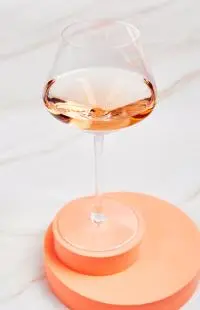
From pale pink to salmon, sometimes raspberry, the color of Loire rosés testifies to the precision of their winemaking and the richness of their grape varieties.
Gourmet aromas
Loire rosé wines offer scents of strawberry, raspberry or redcurrant, sometimes enhanced by notes of citrus or white flowers.
A balanced, lively palate
Always marked by a natural acidity, Loire rosé wines offer light, supple, thirst-quenching mouthfeel.
These are wines to be drunk young, on the fruit, in the moment!
Why choose rosé wines from the Loire Valley?
Accessible quality wines
The rosé wines of the Loire seduce with their diversity and excellent value for money.
They are the fruit of the collective work of over 2,000 estates, 16 caves coopératives and more than 300 maisons de négoce, linked by a passion for wine and the land.
The cooperatives, pillars of the vineyard
The cooperative cellars play an essential role in the vineyard: they guarantee the quality of the wines, enhance the value of the terroirs and promote proximity with consumers.
They also embody the Loire values of solidarity and transmission, in a spirit of openness and sharing.
An invitation to discovery
To visit the Loire vineyards is to follow 800 km of wine routes, meeting the winemakers of Touraine, Saumur or Anjou.
The rosé of the Loire is as much to be savored as it is to be discovered, between châteaux, landscapes and tastings.
How to serve Loire rosé wine
It's always a good idea to serve Loire rosés well chilled, at around8 to 12°C, to preserve their liveliness and aromas. The temptation is great to keep them in the fridge: it's better to find a place for them in a wine cellar to avoid any alteration of the aromas. To reach the ideal temperature, you can chill your rosé an hour before serving.
How well does rosé wine age?
Like love, rosé has no age... but it all depends on the wine! Some, like Touraine Noble-Joué, are made to be enjoyed young, to capture all their freshness and vivacity. But others, like the Cabernet d'Anjou, may hold surprises about their ageing potential. While, on the whole, we advise savoring rosés in their youth, some generous vintages know how to improve with time, like red wines. A Cabernet d'Anjou matures with elegance and reserves aromatic surprises after several decades.
Can Loire rosé wine be served in all seasons?
Absolutely! While rosé often evokes summer and sunny terraces, it's not reserved for the summer months. Its freshness and fruitiness make it an excellent companion for many occasions, whatever the weather. In spring or autumn, it goes wonderfully well with hearty salads and light grilled meats. In winter, you'll be amazed at the perfect harmony it creates with foie gras with figs or duck with orange. Rosé de Loire is made to surprise and seduce you through the seasons!