
The reds
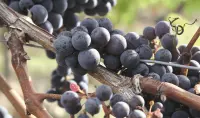
Red wines from the Loire Valley: character, diversity and love of the terroir
From the Atlantic coast to the slopes of the Loire, Anjou and Saumur, Touraine and Blois, red wine from the Loire Valley is defined by its freshness, crisp red fruit and refined tannins. Here, Cabernet Franc reigns supreme, supported by Gamay, Pinot Noir, Côt (Malbec) and Pineau d'Auni. Loire reds? Red wines with a fruity and light profile, as well as more full-bodied and structured vintages.
Renowned appellations include Chinon, Bourgueil, Saint-Nicolas-de-Bourgueil, Saumur-Champigny, Saumur, Touraine... and lesser-known ones such as Saumur Puy Notre-Dame, Anjou Rouge, Coteaux du Loir and Vendômois, not to mention the Val de Loire PGIs. Schist, tuffeau and alluvial terroirs give rise to unique styles, produced by committed wineries, cooperative cellars and estates.
Definition and styles of Loire red wines
A red wine is made from black grape varieties whose skins naturally color the juice during maceration. In the Loire, this transformation takes many different forms, depending on terroir, grape variety and winemaker know-how.
Red wines from the Loire are distinguished first and foremost by their freshness and balance. The river's temperate climates and soils of tuffeau, clay, schist or sand favor cuvées full of red fruit (cherry, raspberry, redcurrant), often marked by floral or spicy notes.
Two main styles dominate:
- The light, fruity red wines, on sandy terroirs. These supple, approachable wines are best enjoyed young, on the fruit, often at a slightly chilled serving temperature.
- The powerful, tannic red wines, produced on more clayey or chalky soils, and sometimes barrel-aged. They offer notes of black fruit, spice and wood, with a long finish.
Whether produced organically or conventionally, IGP Val de Loire or AOP, Loire reds express the typicity of a territory where fruit often takes precedence over tannin, without losing character. Fruity, easily digestible red wines, perfect for accompanying vegetarian dishes, grilled meats, roast poultry or mature cheeses.
Main red grape varieties of the Loire
The richness of Loire red wines lies in the diversity of grape varieties, adapted to each terroir and style. While Cabernet franc largely dominates, other varieties such as Gamay, Côt (Malbec) or Pineau d'Aunis contribute to the unique personality of Loire reds.
Cabernet Franc, the emblematic grape variety of the Loire
Original to the southwest but in full bloom in the Loire, Cabernet franc gives rise to some of the finest red AOCs: Chinon, Bourgueil, Saint-Nicolas-de-Bourgueil and Saumur-Champigny.
It is distinguished by its ruby color, red fruit aromas (raspberry, cherry, redcurrant) and vegetal or spicy notes, depending on the vintage. On the palate, the fine tannins and freshness of the Cabernet franc provide remarkable balance. Red wines from this grape variety, often produced on tuffeau, reflect all the finesse of Loire terroirs.
Gamay, gourmandise and lightness
Grown mainly in Touraine, Gamay produces fruity, supple red wines. With their red fruit notes and freshness, these wines are best enjoyed young, sometimes slightly chilled.
Côt (Malbec), depth and structure
Present in particular in AOP Touraine-Amboise, the only Loire appellation to produce 100% Côt red wines, this grape variety also expresses itself in AOP Touraine or Anjou, most often in blends. Côt brings color, substance and tannins, with notes of black fruit, plum or licorice that reinforce the profile of the most structured cuvées.
Pineau d'Aunis, the grape variety with character
Pineau d'Aunis is very present in the Vallée du Loir, expressing a lively style marked by peppery notes. In the Vendôme region, it is used to make a number of red wines, with many estates producing 100% Pineau d'Aunis. This grape variety produces wines with aromas of fresh red fruits and white pepper, carried by a supple mouth.
Other Loire red grape varieties
Cabernet Sauvignon, Grolleau noir or Pinot noir round out the grape varieties, each bringing nuances of structure, color or aromatic finesse depending on the appellations and estates.
Appellations and terroirs of Loire reds
From the hillsides of Anjou to the valleys of Saumurois, to the banks of Touraine, Loire red wines reflect the diversity of a vineyard nearly 800 km long. Each appellation reveals a unique expression according to soil, climate and the work of Man.
The emblematic appellations of red Loire Wines
Chinon: located in Touraine, the Chinon terroir offers reds full of red fruit (cherry, raspberry), supple or full-bodied depending on the area. The old vines on tuffeau produce elegant, long-keeping cuvées, often prized by connoisseurs.
Bourgueil : on the right bank of the Loire, Cabernet franc expresses itself with power and depth. The tuffeau and gravel soils produce fruity reds with notes of black fruits and spices.
Saint-Nicolas-de-Bourgueil : lighter and more gourmet, the wines of this appellation seduce with their aromas of fresh red fruits and their Loire freshness.
Saumur-Champigny : the benchmark for Loire red wine, it embodies the red, fruity style of the Saumur tuffeau. Its red fruit notes and silky texture make it an emblematic red
Anjou-Villages and Anjou Brissac: more structured wines, often marked by an intense color, assertive tannins and a long finish.
Terroirs and geographical diversity
The Loire is distinguished by a broad mosaic of soils:
- Tuffeau and chalk around Saumur, which produce elegant, supple wines.
- Gravel and sand in Touraine, favoring light, perfumed reds.
- Shale and clay in Anjou, bringing structure and depth.
North and south of the Loire, the oceanic then continental climate shapes varied profiles: fresh, fruity reds in the west, more powerful and full-bodied in the east. This diversity offers wine-lovers a complete palette, from fruity summer reds to ageing reds for gastronomy.
How to choose a Loire red wine?
The red wines of the Loire, the promise of a journey between freshness and character. With their varied terroirs, they offer a palette that ranges from light, fruity reds to denser, more structured wines suited to prolonged cellaring.
Each bottle has its secrets, and above all, its perfect occasion.
Among the must-haves is Saint-Nicolas-de-Bourgueil. Ideal for those who like fresh, supple reds, it's appreciated for its lightness and fruity aromas of cherry and raspberry.
Envy of a fuller-bodied red? The Bourgueil, with its intense red and black fruit flavors, embodies the generosity of Loire red wines.
And the Chinon? Both elegant and well-balanced, it seduces with its blackcurrant and redcurrant notes. Young, it plays the freshness card. With age, it reveals deeper aromas of spices and stewed black fruit. Our advice: decant a young Chinon to soften its tannins and decant an old vintage to sublimate its complexity.
The Saumur-Champigny, like most Loire Valley wines, embodies elegance. Beneath its luminous garnet color lie aromas of violets, red and black fruits. Young, it's all fruit, gaining depth with age.
The more discreet nuggets hold some nice surprises: the Coteaux d'Ancenis offer fruity, light wines, while the Anjou-Villages and Anjou-Brissac stand out for their deep ruby color, with flowery aromas evolving towards black fruits and undergrowth.
The Coteaux du Loir surprises with delicacy, and the Coteaux du Vendômois awakens the taste buds with its spicy notes.
The journey continues on the Saumur side, with a Saumur Rouge that shines with its suppleness, while the Saumur Puy-Notre-Dame offers a more structured, intense experience.
Finally, in Touraine, where wines vie for originality, with a Touraine-Chenonceaux that combines stewed black fruits and minty freshness, or a Touraine-Mesland, with aromas of raspberry and blackcurrant.
How do you pair Loire red wines with food?
Like white wines, Loire red wines can sublimate a multitude of dishes. From light, fruity cuvées to powerful, tannic reds, they lend themselves equally well to simple meals and festive occasions.
What dish with a powerful, tannic red wine?
The powerful, tannic red wines, such as Chinon or Bourgueil, offer great structure. They are the perfect accompaniment to red meats, whether grilled or stewed. With a lightly aged Chinon (3-4 years), you'll get a perfect match between its elegant tannins and the meat's melt-in-the-mouth texture.
For dishes like roast turkey or capon, turn to a Bourgueil that blends ripe fruit and light woody notes, for a harmonious, gourmet result.
Hungry for a comforting dish that will warm up long winter evenings? A Saumur-Champigny will bring roundness and freshness to gratins, raclettes and fondues.
What dish with a light, fruity red wine?
The light, fruity red wines from the Loire, pair ideally with delicate dishes. Coteaux du Vendômois, with its notes of red fruits enhanced by red spices, creates a harmonious pairing with poultry and white meats, enhancing their flavors gently. Tasted with vegetarian dishes, the aromatic notes of Saint-Nicolas-de-Bourgueil will flatter the palate with lightness and freshness.
To enhance the taste of blue-veined or hard cheeses, there's nothing like the round, silky wines of Touraine (Touraine Amboise, Touraine Chenonceaux, Touraine-Mesland). They bring a lovely freshness that contrasts with the generosity of the melted cheese. These light reds also go well with charcuterie boards to share with friends.

How to enjoy Loire red wine
The red wines of the Loire are a true delight for the senses. To savor their full richness, serving temperature is essential. Too hot, it accentuates the tannins and hides the aromas.
For light, fruity wines, a little cooling (12-14°C) will bring out the freshness of the fruit. For fuller-bodied reds, serve at 15-17°C to release the full complexity of flavors.
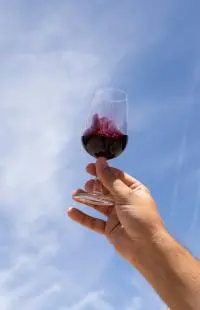
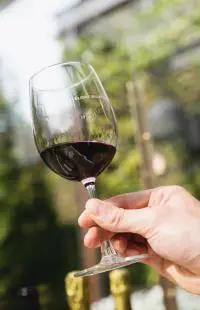
The glass also plays an important role. Choose a red wine glass with a slightly narrow opening: it will concentrate the aromas so you can better appreciate them. An elegant glass, neither too large nor too massive, will make all the difference.
Before savoring, take a moment to observe the wine's color. From crimson to ruby, each color says a lot about the grape variety and age of the wine. On the nose, let the aromas surprise you: red fruits such as cherry or raspberry for young wines, black fruits and spices for older vintages. On the palate, the balance between acidity, tannins and structure will reveal the wine's finesse.
.
Sensory profile of Loire red wines
Red wines from the Loire region are first and foremost seductive for their freshness and natural balance. This unique sensory identity, inherited from the temperate climate and varied terroirs, makes Loire red wine a benchmark for lovers of fruity, elegant reds.
The color
Depending on grape variety and vintage, the color can range from light ruby red to deeper garnet hues. Young wines, such as a Saint-Nicolas-de-Bourgueil or a fruity Chinon, often display a lively brilliance, while ageing cuvées reveal darker, velvety shades.
The nose
On the nose, Loire reds express themselves in a register of great finesse:
Fresh red fruits (cherry, strawberry, redcurrant, raspberry) on young, greedy wines.
Black fruits, spices and floral notes (violet, peony) on more mature cuvées.
Sometimes woody, roasted or white pepper touches, depending on ageing and terroir.
Organic red wines or those from old vines often showcase remarkable aromatic purity, a reflection of respect for soil and grape variety.
Mouthfeel
In the mouth, Loire red wine combines suppleness, freshness and precision of fruit.
Fruity reds, such as Saumur-Champigny or Saint-Nicolas-de-Bourgueil, reveal fine tannins and a crisp attack.
More structured cuvées, from Chinon or Bourgueil, offer dense body, persistent length and a subtle balance between fruit and minerality.
With their balanced, easy-to-digest profile, Loire red wines pair perfectly with a wide range of dishes: grilled meats, roast poultry, characterful cheeses or simmered dishes.
How to recognize a ready-to-drink red wine?
A ready-to-drink red wine from the Loire region features fresh aromas of red fruit, such as raspberry or strawberry, that reveal themselves with the first sip. A ruby or purplish-red color, combined with supple tannins and a lovely lightness, results in a wine that's easy to enjoy, all about freshness.
The vins de garde, on the other hand, present a more evolved color, melted tannins and complex aromas of undergrowth or spices. After a few years in the cellar, they reveal all their richness.
No matter how old they are, balance and freshness remain the watchwords for Loire reds ready to be savored!
What is the shelf life of red wine?
Most Loire red wines taste perfectly between two and five years. TheChinon and Bourgueil, in particular, gain in complexity after 8 to 10 years, as do some Saumur which continue to improve. For those who prefer younger wines, light, fruity reds are ideal in the first two years after bottling, offering freshness and vivacity.
What role does maturation play in red wine?
Maturation is the secret behind the evolution of Loire red wines. It refines their structure, exalts their aromas and gives them that stability that makes all the difference. After alcoholic fermentation, malolactic fermentation comes into play to soften the wine, making it rounder and more stable. As for ageing, it's mainly done in vats, but sometimes a stint in oak casks or foudre for the more daring, to give body and complexity.
What are the different grape varieties for red wine?
The Cabernet Franc, the emblematic grape variety of Chinon, Bourgueil, Saint-Nicolas-de-Bourgueil, Saumur and Saumur-Champigny, stands out for its ability to produce fruity, structured wines. The Cabernet Sauvignon, rarer in the Loire, is found especially in the Anjou-Villages and Anjou-Brissac, where it brings power and color.
The Côt (or Malbec), a typical Touraine grape variety, is distinguished by robust, deep wines, especially in the Cher valley. Often combined with Cabernet Franc or Gamay, it offers balanced, aromatic blends.
Pineau d'Aunis brings its unique touch to appellations such as Coteaux-du-Loir. This grape variety, with its spicy, peppery soul, produces fresh, vibrant wines that invite you to discover another aspect of the Loire terroir.
Gamay, meanwhile, is a flagship grape variety in Touraine and the Nantais vineyards. It produces young red wines, often light and gourmet, but can also be blended (with Cabernet Franc or Côt) to offer more complex results.
We can also mention complementary grape varieties such as Pinot Meunier,the Négrette and the Merlot, which contribute to the diversity and richness of Loire reds in certain appellations.